Kamagra Oral Jelly and Age Factors

Introduction
Erectile health changes with age, lifestyle, stress, and overall health. Kamagra Oral Jelly is a fast-acting treatment for erectile dysfunction, known for its quick absorption and easy jelly form. It is classified under PDE5 inhibitors and is often discussed in the context of modern ED treatments and clinical approaches to male sexual health.
Its effects, commonly referred to as Kamagra oral jelly results, may vary depending on individual health conditions, age, metabolism, and psychological state. While some users focus on Kamagra benefits, it is important to remember that it is a medical treatment, not a performance enhancer or lifestyle product. From a general perspective, experts emphasize the importance of proper diagnosis before use.
What is Kamagra Oral Jelly?
Kamagra Oral Jelly is a medicine used to treat erectile dysfunction (ED), a condition where a man has difficulty getting or maintaining an erection. It contains sildenafil citrate, the same active ingredient found in Viagra, and it is taken in a jelly form instead of a tablet, which makes it easier to swallow and faster to absorb.
Kamagra Oral Jelly fast absorption makes it a commonly discussed option among various ED supplement options, although medically it is not a supplement but a prescription drug.
In terms of lifestyle and age, it is generally used by adult men, typically above 18 years of age, who experience ED due to stress, aging, hormonal imbalance, or health conditions. Proper diagnosis and medical supervision are always recommended before use.
Kamagra Oral Jelly and Young Adults (Below 30)

Erectile dysfunction in young men (ED in young men) is more common than many people assume, although the causes are often psychological rather than physical.
Stress, anxiety, lack of confidence, overthinking, irregular sleep patterns, poor diet, excessive pornography consumption, and substance use can all contribute to performance issues. In some cases, emotional struggles may also overlap with discussions around male depression solutions, where mental health directly affects sexual performance.
For this age group, medication is rarely the first step. Psychological counseling, lifestyle correction, and stress management are often more effective than relying on drugs. Overuse or early dependency may lead to concerns like Kamagra oral jelly not working, where expectations become more psychological than physical.
There is also a risk that individuals may start believing they cannot perform without medication, which can impact natural confidence and sexual health in the long term.
Kamagra Oral Jelly and Middle Age (30–50)

As men enter the 30 to 50 age range, erectile issues become more noticeable due to gradual physical and hormonal changes. This stage often includes reduced testosterone levels, slower recovery, and decreased stamina.
Lifestyle-related conditions like diabetes, obesity, high blood pressure, and cholesterol imbalance also start affecting blood circulation, which is essential for sexual performance.
Many users in this group may begin exploring Kamagra results as a short-term solution. However, it should be understood that medication alone does not fix underlying health problems.
Alcohol consumption is also more common in this age group, which can significantly reduce effectiveness and increase risks, making Kamagra alcohol interaction an important concern. Mixing alcohol with ED medication can reduce performance and increase side effects.
Medical consultation becomes essential at this stage to ensure safe usage and to rule out serious underlying conditions.
Kamagra Oral Jelly and Older Adults (50+)
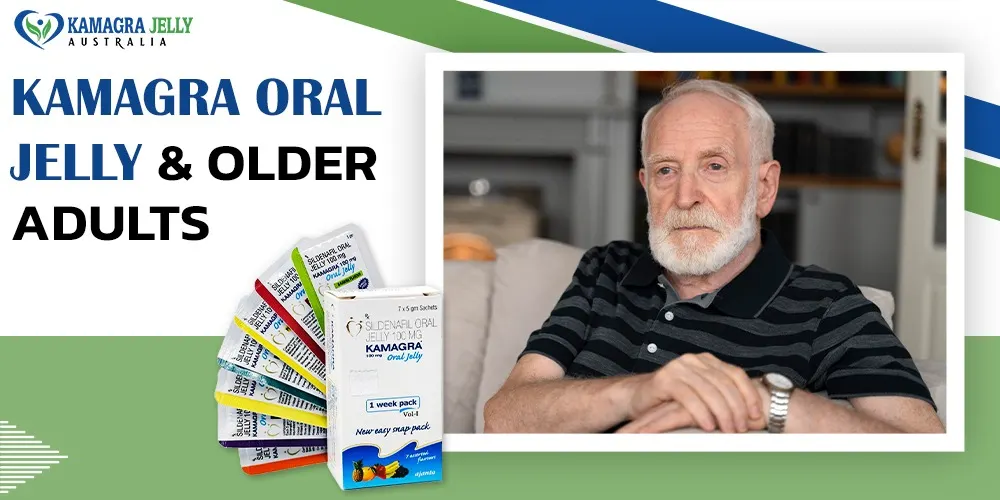
In men above 50, a natural decline in sexual performance is often observed due to aging and hormonal reduction. At this stage, erectile dysfunction is more commonly linked with chronic health conditions such as heart disease, diabetes, and nerve-related disorders.
Because many individuals are already on multiple medications, the risk of drug interactions increases. This is where safety becomes critical, especially regarding Kamagra heart attack risk in people with cardiovascular conditions.
Effectiveness may also vary due to slower metabolism, reduced blood flow, and overall health decline. Some individuals may experience reduced response or report that Kamagra is not working, which is often related to underlying medical conditions rather than the medication itself.
Safety Considerations Across All Age Groups
Regardless of age, safety should always remain the top priority when using ED medications. One of the most important factors is correct dosage and medical supervision.
Possible Kamagra side effects may include headache, flushing, dizziness, nasal congestion, indigestion, and temporary changes in blood pressure. These effects vary depending on individual sensitivity and overall health.
In some cases, users may explore a Kamagra alternative if they experience side effects or poor response. However, switching or combining medications should always be done under medical guidance.
Pre-existing health conditions such as cardiovascular disease, liver problems, kidney disorders, or neurological conditions require careful evaluation before use. Alcohol and drug interactions should also be strictly avoided.
Who Should Avoid Kamagra Oral Jelly?
Whether Kamagra is safe depends on the user’s health condition. Kamagra Oral Jelly is not suitable for everyone. People with heart disease, a history of heart attack, or chest pain should avoid it, as it may increase health risks and cause serious side effects. Those taking nitrate medications must not use them due to severe blood pressure risks and increased risk of heart attack. Individuals with severe liver or kidney problems should also avoid it unless a doctor approves. Older adults and people with existing health conditions should use it only after proper medical advice.
Conclusion
For both the efficacy of the medication and the maintenance of long-term health, the safe and responsible use of Kamagra Oral Jelly guided by medical advice is essential. A balanced approach encompassing lifestyle modifications, emotional well-being, and professional counseling represents the most sustainable path toward achieving better sexual health.