Does Exercise Help Erectile Dysfunction?
Introduction
Can a small change in your daily routine help improve erections? Erectile dysfunction (ED) can be linked to poor blood circulation, excess weight, stress, and pre-existing health conditions. While medication is one treatment option, exercise can help erectile dysfunction by improving blood flow, supporting cardiovascular health, and promoting overall well-being. Find out which exercises may help, how often to do them, and when it is important to consult a doctor.
Does Exercise Help Erectile Dysfunction?
Yes, exercise may help improve erectile dysfunction, particularly when the condition is associated with poor circulation, excess body weight, or an inactive lifestyle. Erections depend on healthy blood vessels and sufficient blood flow to the penis. Regular physical activity supports cardiovascular health and helps manage blood pressure, blood sugar, and body weight.
Research suggests that consistent aerobic exercise may improve erectile function in some men, especially those with cardiovascular risk factors. Understanding how exercise help erectile dysfunction can help men make informed lifestyle choices and develop a suitable fitness routine.
How Does Exercise Improve Erectile Dysfunction?
Regular exercise supports healthy blood circulation, weight management, and mental well-being. These benefits may help erectile dysfunction when inactivity, stress, or cardiovascular problems contribute to erection difficulties.
Improves Blood Flow
Good blood circulation is essential for achieving and maintaining an erection. Regular activities such as walking, swimming, and jogging can support healthy blood vessels and improve overall cardiovascular health. Conditions like diabetes, high blood pressure, and high cholesterol may affect blood flow and increase the risk of erectile dysfunction. Along with healthy lifestyle habits, Long-term ED medicine may help some men manage persistent symptoms when prescribed by a healthcare professional.
Supports Heart and Blood Vessel Health
Exercise strengthens cardiovascular fitness and helps manage blood pressure and cholesterol. Since healthy blood vessels are essential for erections, regular physical activity may support sexual health. Persistent erectile difficulties should be medically evaluated.
Helps Maintain a Healthy Weight
Excess body fat can increase the risk of diabetes, high blood pressure, and erectile dysfunction. Combining regular exercise with a balanced diet supports weight management. Effective bodybuilding tips include resistance training, cardiovascular exercise, proper nutrition, and adequate recovery. However, muscle building alone does not treat ED.
May Support Hormonal Health
Testosterone influences male sexual desire, and low levels may contribute to reduced libido. Understanding the Causes Low Libido in Men, including hormonal changes, stress, certain medications, and underlying health conditions, can help identify appropriate treatment. Exercise supports general health but does not guarantee higher testosterone or improved erections.
Reduces Stress and Anxiety
Stress, depression, and performance anxiety may contribute to erectile difficulties. Exercise can improve mood, reduce stress, and support better sleep. These benefits may help men feel more confident during sexual activity. When psychological factors affect sexual arousal or contribute to ED, counseling may also help. Persistent symptoms should be discussed with a healthcare professional.
What Are the Best Exercises for Erectile Dysfunction?
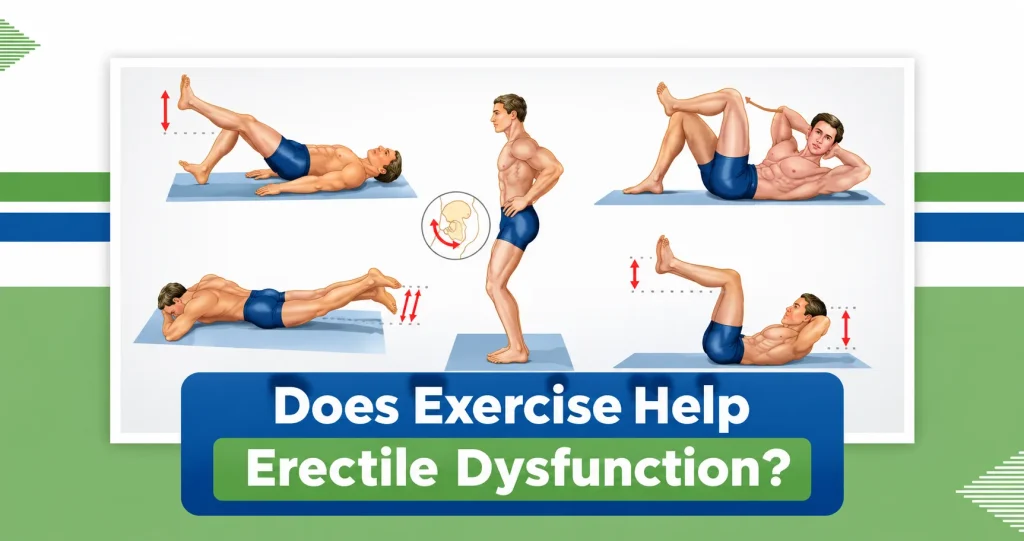
Different exercises offer different benefits for circulation, cardiovascular fitness, muscle strength, and pelvic floor function. When considering how exercise help erectile dysfunction, a combination of aerobic activity, strength training, and pelvic floor exercises may be a practical approach.
Aerobic Exercises for Better Blood Flow
Aerobic exercises are among the most studied forms of physical activity for improving erectile function. Activities such as swimming, jogging, brisk walking, and dancing increase the heart rate and help strengthen the cardiovascular system.
Regular aerobic activity can improve blood vessel function and help manage conditions associated with ED, including obesity and high blood pressure. Beginners should start with comfortable activities and gradually increase their duration and intensity.
Consistency is more important than attempting an intense workout immediately.
Walking and Brisk Walking
Walking is a simple, accessible exercise that requires no special equipment. Brisk walking increases the heart rate, improves endurance, and supports weight management.
Men who spend much of the day sitting may benefit from adding regular walks to their routine. A practical goal for many adults is approximately 30 minutes of moderate-intensity walking on most days, adjusted to their fitness level and medical needs.
Walking alone may not resolve erectile dysfunction, but it can support the underlying health factors that influence erections.
Strength Training
Strength training includes exercises such as squats, lunges, push-ups, and resistance exercises using weights or resistance bands.
These activities help build muscle, maintain physical fitness, and support long-term weight management. Combined with aerobic exercise, strength training can contribute to better metabolic health and help manage certain risk factors associated with ED.
Start with manageable resistance, maintain proper technique, and allow sufficient recovery between sessions. Men with existing heart problems or other significant medical conditions should seek appropriate guidance before beginning a demanding routine.
Pelvic Floor Exercises (Kegel Exercises)
Pelvic floor exercises, also called Kegel exercises, help strengthen the muscles that support bladder control and sexual health. Although penis growth exercises cannot increase penis size, Kegel exercises may help improve erections in some men. To do them, gently squeeze your pelvic floor muscles for a few seconds, then relax. Keep breathing normally and avoid tightening your stomach or thighs. Practise regularly, and talk to a healthcare professional if you experience pain or discomfort.
How Much Exercise Is Needed to Improve Erectile Dysfunction?
Many adults can work toward at least 150 minutes of moderate-intensity aerobic activity per week, such as brisk walking, or 75 minutes of vigorous activity, depending on their health and fitness level. Strength training on two or more days per week can provide additional benefits.
If you are currently inactive, begin with short, manageable sessions and gradually increase your activity. Regular exercise over several months may help improve some of the health factors associated with erectile dysfunction, although individual results vary.
Understanding how exercise help erectile dysfunction also means recognizing that sustainable lifestyle changes are generally more useful than occasional intense workouts.
Can Exercise Alone Treat Erectile Dysfunction?
Exercise may improve erectile function, but it cannot treat every cause of erectile dysfunction. Diabetes, cardiovascular disease, nerve damage, hormonal problems, medication side effects, and psychological factors can all contribute to ED.
To identify ed and its underlying cause, a healthcare professional may review your medical history, current medications, symptoms, lifestyle, and relevant blood test results. Early evaluation can help identify potentially treatable conditions.
Do not stop prescribed medication or delay medical care in the hope that exercise alone will solve persistent symptoms.
Can Diet and Hydration Also Help Erectile Dysfunction?
Exercise is only one part of a healthy lifestyle. A balanced diet, adequate hydration, sufficient sleep, and avoiding smoking can also support cardiovascular health and general well-being.
Men researching foods to eat to help erectile dysfunction can focus on vegetables, fruits, whole grains, legumes, nuts, and other nutrient-rich foods as part of a balanced eating pattern. These foods support overall cardiovascular health, although no single food can guarantee improved erections.
Drinking enough water helps maintain normal hydration, particularly during exercise or hot weather. However, drinking extra water has not been established as a standalone treatment for erectile dysfunction. If ED symptoms persist, medical assessment is more useful than relying on hydration or dietary changes alone.
Conclusion
Understanding how exercise help erectile dysfunction means recognizing both its benefits and its limitations. Exercise may reduce certain risk factors, but it cannot guarantee stronger erections or cure every underlying condition.
For better overall health, combine consistent physical activity with a balanced diet, adequate sleep, smoking cessation, and stress management. If erectile difficulties persist, consult a healthcare professional to identify the cause and discuss suitable treatment options.