How To Help A Husband With Erectile Dysfunction?
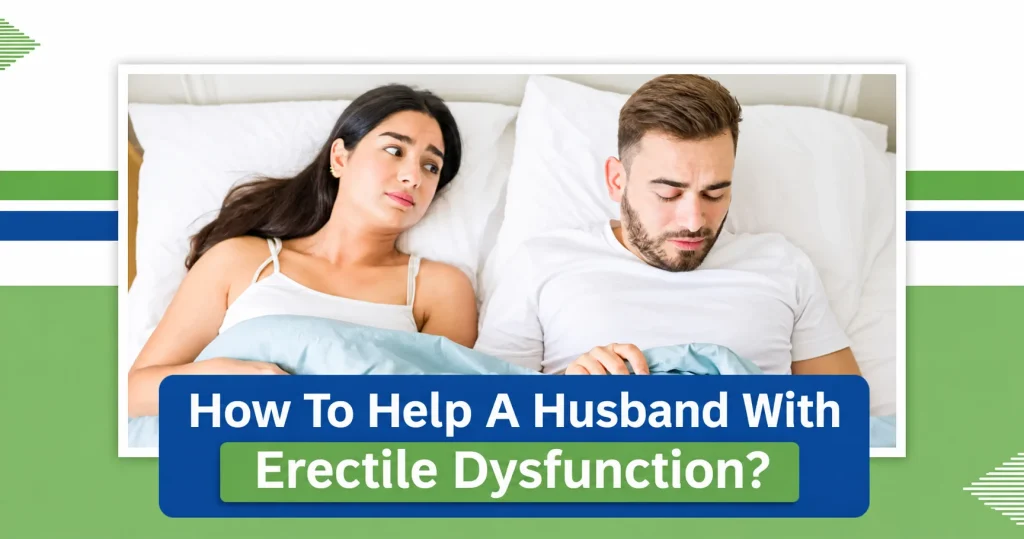
A husband’s erectile dysfunction (ED) can create unexpected challenges in a marriage, leaving his wife feeling confused or insecure. But how can you help a husband with erectile dysfunction without hurting his confidence or intimacy? The answer lies in understanding, patience, open communication, emotional support, and proper medical care. ED doesn’t necessarily mean lost love or attraction, and couples can work together to rebuild trust and strengthen their relationship.
Understanding Erectile Dysfunction in Husbands
A husband with erectile dysfunction may face challenges that affect both his confidence and his marriage. Erectile dysfunction (ED) occurs when a man struggles to get or maintain an erection firm enough for sexual activity. Occasional difficulties can result from stress or tiredness, but repeated problems may indicate an underlying health concern.
For a wife, understanding the condition is essential. A husband with erectile dysfunction may still love his partner and feel attracted to her. Open communication, patience, emotional support, and appropriate medical care can help couples overcome misunderstandings and maintain a healthy, fulfilling relationship.
Common Causes of Erectile Dysfunction in Men
Understanding the causes of erectile dysfunction (ED) helps men find appropriate solutions. ED can result from physical health problems, psychological stress, unhealthy lifestyle habits, or a combination of factors.
Common physical causes include diabetes, high blood pressure, heart disease, obesity, nerve damage, and hormonal imbalances. Certain medications may also affect erectile function.
Stress, anxiety, depression, financial worries, and relationship problems can interfere with sexual arousal. Smoking, excessive alcohol consumption, poor sleep, and lack of physical activity may also increase the risk.
Sometimes, physical and emotional factors occur together, making erection difficulties more challenging.
If ED happens repeatedly, consulting a healthcare professional can help identify the cause. Treatment may include lifestyle changes, counselling, managing existing health conditions, or prescribed medication.
How to Talk to Your Husband About Erectile Dysfunction
Talking about erectile dysfunction can feel uncomfortable, but honest communication helps couples understand each other. Choose a private, relaxed moment and discuss your concerns gently without blame or criticism.
If you want to help a husband with erectile dysfunction, reassure him that you care about him and want to face the challenge together. Ask how he feels and listen patiently without making assumptions.
Your husband may feel embarrassed, anxious, or worried about disappointing you. Avoid pressuring him or treating ED as a sign of lost attraction or masculinity.
When you help a husband with erectile dysfunction, focus on emotional support, mutual understanding, and practical solutions. Encourage medical advice if the problem continues, and remind him that you are partners working through this challenge together.
Emotional Support for a Husband with Erectile Dysfunction
Emotional support is essential when a husband experiences erectile dysfunction (ED). He may feel embarrassed, anxious, or worried about disappointing his partner. These feelings can affect his confidence and increase sexual performance pressure.
If you want to help a husband with erectile dysfunction, reassure him that his worth is not defined by sexual performance. Show affection through loving gestures, meaningful conversations, and physical closeness without expecting every intimate moment to lead to intercourse.
To help a husband with erectile dysfunction, avoid teasing, comparisons, or comments that may increase his insecurity. Instead, listen patiently and encourage him to share his feelings when he feels comfortable.
Ways to Help Your Husband Manage Erectile Dysfunction
Helping your husband manage erectile dysfunction (ED) requires patience, teamwork, and healthy lifestyle changes. Encourage regular exercise, balanced nutrition, adequate sleep, and stress management to support his overall health.
Physical activities such as walking, swimming, and other suitable exercises may improve blood circulation and cardiovascular health, which are important for erectile function. A balanced diet rich in fruits, vegetables, whole grains, lean proteins, and healthy fats can also support general well-being.
If you want to help a husband with erectile dysfunction, encourage him to avoid smoking, limit excessive alcohol consumption, and seek medical advice if erection difficulties continue. Offer support when arranging an appointment, but respect his independence and involve him in decisions about his treatment.
Remember that improvement may take time. Celebrate small steps, encourage healthy habits, and maintain open communication. With mutual understanding and appropriate medical care, couples can work together toward better sexual health and a stronger relationship.
How Stress and Anxiety Affect Erectile Function
Stress and anxiety can make it difficult for a man to achieve or maintain an erection. Fear of sexual failure may create a cycle of anxiety and repeated erection difficulties, even when attraction remains strong.
Couples can reduce this pressure by focusing on affection, communication, kissing, and other forms of intimacy rather than intercourse alone.
Sexual satisfaction depends on mutual pleasure, comfort, and emotional connection, not just erections. If anxiety persists, counselling or sex therapy may help. Repeated erectile difficulties should also be evaluated by a healthcare professional to identify possible underlying health conditions.
Lifestyle Changes That May Improve Erectile Dysfunction
Healthy lifestyle habits can support erectile function, especially when difficulties are linked to poor circulation, excess weight, or other health conditions. Regular exercise, a balanced diet, adequate sleep, and stress management can contribute to better overall health.
Avoiding smoking and limiting excessive alcohol consumption may also improve sexual health. Men with diabetes, high blood pressure, or high cholesterol should manage these conditions with guidance from a healthcare professional.
If you want to help a husband with erectile dysfunction, encourage healthy habits and support him without creating pressure. If erection problems persist, medical evaluation can help identify the cause and determine suitable treatment options.
Avoid unverified supplements that promise instant results, as some may contain hidden ingredients or interact dangerously with medications.
Medical Treatments for Erectile Dysfunction
Various treatments are available for erectile dysfunction (ED), depending on the underlying cause and the man’s overall health. Doctors may prescribe medications such as sildenafil or tadalafil to improve blood flow to the penis during sexual activity.
Some women use ‘Kamagra Oral Jelly‘ which comes in 7 different flavors to help manage their husbands’ ED; it is often preferred over tablets. However, it is essential to consult a doctor and verify medication before use. These medications are not suitable for everyone, particularly those taking nitrate-based drugs, as dangerous reactions can occur.
Other treatment options include vacuum erection devices, injections, and counseling. If you wish to help your husband manage ED, encourage him to consult a qualified healthcare professional before taking any medication or supplement. With proper diagnosis and treatment, many men can improve their erectile function and quality of life.
Maintaining Intimacy and Connection as a Couple
Erectile dysfunction does not mean the end of intimacy. Couples can strengthen their relationship through affection, honest communication, and emotional support.
Spend quality time together, show love without pressure, and remember that intimacy is about more than sex. Understanding each other’s feelings can reduce insecurity and build trust.
With patience, mutual respect, and appropriate medical care, couples can maintain a loving and fulfilling relationship despite ED.
Conclusion
Learning how to help a husband with erectile dysfunction starts with patience, understanding, and open communication. Although ED can affect confidence and intimacy, it does not mean love or attraction has disappeared. Healthy lifestyle changes, emotional support, and appropriate medical treatment can help couples manage the condition together. With professional guidance and mutual care, couples can maintain intimacy, strengthen trust, and build a happy, fulfilling relationship.