
What Can Cause Liver Problems?
What Happens When the Liver Isn’t Healthy?
The liver performs many essential functions that help keep the body healthy. When its normal function is affected, problems can develop gradually and may not always cause noticeable symptoms at first.
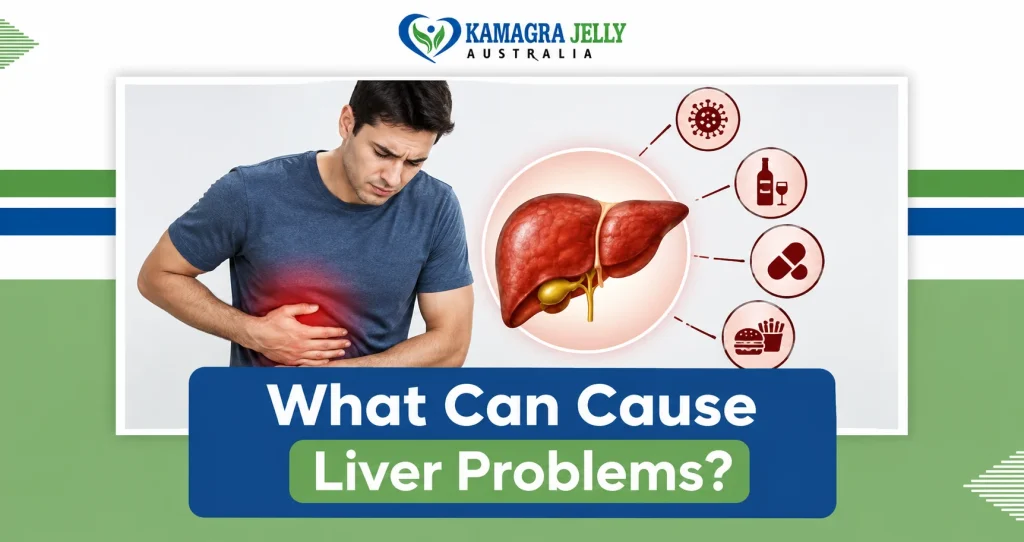
Alcohol use, fatty liver disease, infections, certain medicines, and underlying health conditions can all affect the liver. Understanding these factors can help you recognize potential risks and take steps to support your liver health.
Common Causes of Liver Problems
- Excessive Alcohol Consumption
Too much alcohol can damage liver cells over time, potentially leading to fatty liver, inflammation, and scarring.
- Fatty Liver Disease
Excess fat can build up in the liver, often linked to obesity, diabetes, insulin resistance, and unhealthy cholesterol levels.
- Viral Hepatitis
Viruses such as hepatitis B and C can cause long-term liver inflammation and, in some cases, serious liver damage.
- Certain Medications
Some medicines, pain relievers, and supplements can cause liver injury, especially when used incorrectly or in excess.
- Obesity & Metabolic Problems
Excess weight, diabetes, high blood pressure, and abnormal cholesterol can increase the risk of fatty liver and liver damage.
- Autoimmune Diseases
Sometimes, the immune system mistakenly attacks healthy liver cells, causing inflammation and potential damage.
- Inherited Conditions
Certain genetic disorders, such as hemochromatosis and Wilson disease, can cause harmful substances to build up in the liver.
- Bile Duct Problems
Diseases that narrow, damage, or block the bile ducts can interfere with normal liver function and may lead to scarring.
- Toxins & Herbal Supplements
“Natural” doesn’t always mean safe. Some supplements and herbal products can unexpectedly cause liver injury.
- Infections & Other Diseases
Certain infections and underlying health conditions can also affect the liver, sometimes without obvious symptoms at first.
Can Medications Cause Liver Problems?
Yes. Certain medications can cause liver injury, although this does not happen to everyone who takes them.
If you use medication for erectile dysfunction, it is also important to tell your doctor about existing liver conditions and all other medicines you take.
For example, sildenafil-containing ED medicines require consideration of a person’s medical history and possible drug interactions. Your doctor can determine whether sildenafil is appropriate for you and whether any precautions are necessary.
For more information about this topic, see our guide to Kamagra Oral Jelly and liver health.
You can also read questions to ask your doctor before using Kamagra Oral Jelly if you have liver, kidney, cardiovascular, or other health concerns.
Important: Do not stop or change a prescribed medicine simply because you are concerned about your liver. Speak with your doctor or pharmacist first.
What Are the Early Signs of Liver Problems?
Liver problems can sometimes develop quietly, with little or no noticeable symptoms in the early stages. But as liver function becomes affected, certain warning signs may begin to appear.
- Feeling unusually tired or weak
- Loss of appetite
- Unexplained weight loss
- Nausea or vomiting
- Itchy skin
- Discomfort or pain in the upper-right abdomen
- Yellowing of the skin or eyes (jaundice)
- Dark-colored urine
- Easy bruising or bleeding
- Swelling in the legs, ankles, or abdomen
- Confusion or difficulty thinking clearly
These symptoms do not necessarily mean that you have liver disease, as many can have other causes. However, persistent, worsening, or unusual symptoms should not be ignored. Speaking with a healthcare professional can help identify the underlying cause and determine whether further evaluation is needed.
Can Liver Problems Become Serious?
Some liver conditions develop slowly and may cause damage without obvious symptoms at first. Over time, ongoing inflammation can lead to fibrosis (scarring) and, in advanced cases, cirrhosis.
As liver damage progresses, complications such as jaundice, swelling, fluid buildup, bleeding problems, or changes in mental function may occur. In severe cases, liver failure can develop.
The good news is that early diagnosis and treatment of the underlying cause may help slow or prevent further liver damage.
How Can You Support Liver Health?
There is no single food, drink, or supplement that can protect against every liver disease. However, simple healthy habits can help support your liver and overall health.
Consider these steps:
- Maintain a healthy weight
- Exercise regularly
- Eat a balanced, nutritious diet
- Manage blood sugar, blood pressure, and cholesterol
- Avoid excessive alcohol
- Take medicines only as directed
- Check with a healthcare professional before using supplements or herbal products
- Get recommended vaccinations and health checkups
- Follow your healthcare professional’s advice if you have liver disease
For people with fatty liver disease, healthy eating, regular physical activity, and gradual weight management can be especially important.
When Should You Get Your Liver Checked?
It may be a good idea to talk with a healthcare professional if you have persistent symptoms, abnormal liver test results, or risk factors such as obesity, type 2 diabetes, heavy alcohol use, or a history of viral hepatitis.
You should also discuss any regular medicines or supplements that may affect liver health.
Seek urgent medical care if you develop vomiting blood, severe confusion, significant abdominal swelling, or yellowing of the skin or eyes along with other serious symptoms.
Frequently Asked Questions
What are the common causes of liver problems?
Alcohol use, fatty liver, viral hepatitis, certain medicines, obesity, metabolic conditions, and autoimmune or inherited diseases can affect the liver.
Can an unhealthy diet affect the liver?
Yes. A diet high in excess calories, added sugars, and unhealthy fats may increase the risk of fatty liver.
Can liver problems occur without symptoms?
Yes. Some liver conditions may have few or no symptoms in their early stages.
Can medicines or supplements damage the liver?
Yes. Certain medicines, herbal products, and supplements can cause liver injury in some people.
Does being overweight affect liver health?
Yes. Excess weight can increase the risk of fatty liver and related liver problems.
Can diabetes affect the liver?
Yes. Type 2 diabetes and insulin resistance are closely linked with fatty liver disease.
Can viral infections damage the liver?
Yes. Viruses such as hepatitis B and hepatitis C can cause ongoing liver inflammation and damage.
Conclusion
Liver problems can have many causes, and some may develop without obvious symptoms. Knowing the risk factors, maintaining healthy habits, and getting medical advice when needed can help protect liver health.