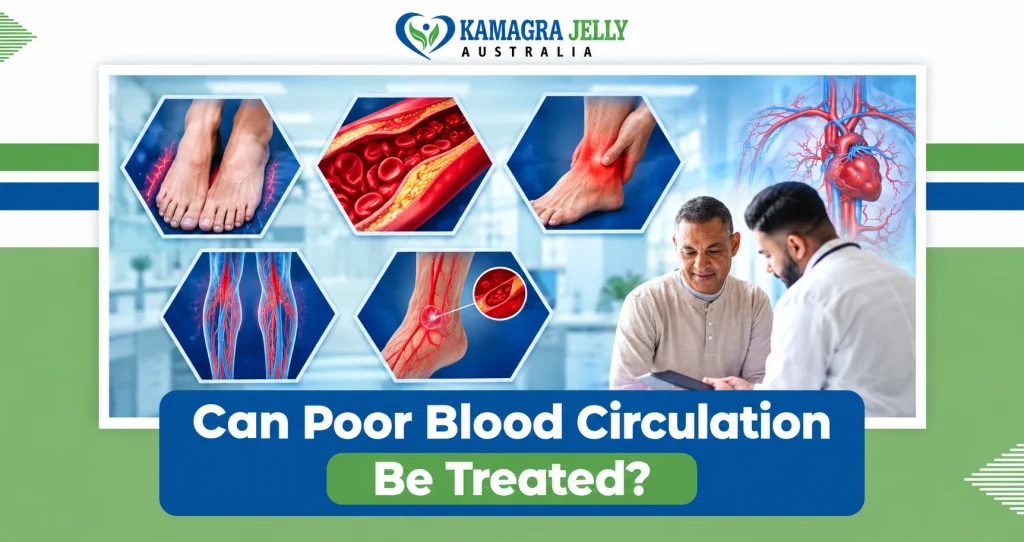
Can Poor Blood Circulation Be Treated?
Introduction
Could poor blood circulation be affecting your health without you realizing it? Some warning signs may seem minor at first, but understanding their causes can help you find the right treatment and protect your health.
What Is Poor Blood Circulation?
Poor blood circulation occurs when blood cannot flow efficiently through the body. This can reduce the delivery of oxygen and nutrients to different tissues and organs. It may affect the hands, feet, legs, and other parts of the body, depending on the underlying cause.
What Causes Poor Blood Circulation?
Common poor blood circulation causes include narrowed arteries, diabetes, high blood pressure, high cholesterol, smoking, and a lack of physical activity. These conditions can affect blood vessels and make it harder for blood to reach different areas of the body. Identifying the cause is an important step toward choosing the right treatment.
What Are the Common Symptoms of Poor Blood Circulation?
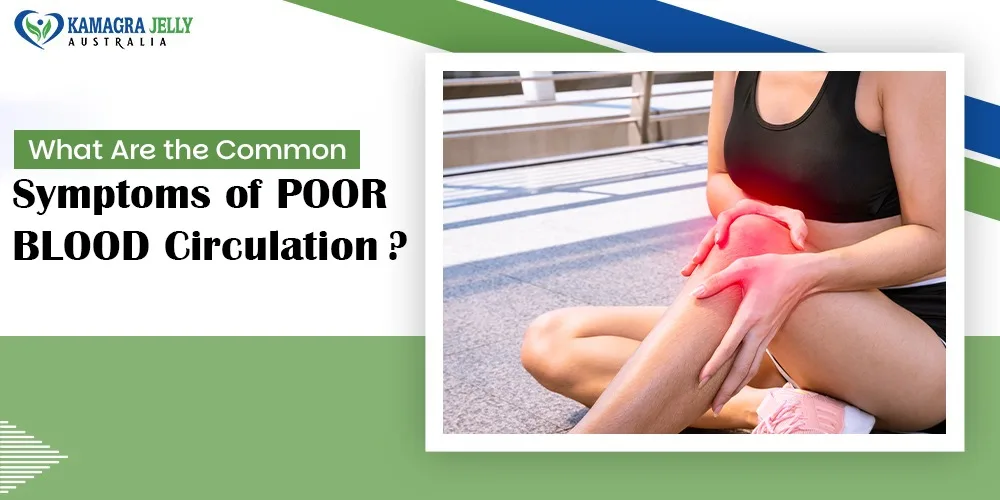
Common poor blood circulation symptoms include cold hands and feet, numbness, tingling, swelling, muscle cramps, and slow-healing wounds. Some people may also notice changes in skin color, discomfort while walking, or unusual weakness. Signs of poor blood circulation can vary depending on which part of the body is affected, so persistent symptoms should be discussed with a healthcare professional.
Can Poor Blood Circulation Be Treated?
Yes, treatment is often possible, but the best approach depends on the cause and severity. Doctors may recommend lifestyle changes, medications, or medical procedures to improve blood flow. Leaving circulation problems untreated can sometimes lead to serious complications, especially when the condition affects important organs. Anyone experiencing sudden weakness, chest pain, or difficulty speaking should seek emergency medical care.
How Can You Improve Blood Circulation Naturally?

Physical Activity and Regular Movement
Regular movement can support healthy blood flow. Walking, swimming, cycling, and gentle stretching can help improve cardiovascular health. People who sit for long periods should take regular breaks and move their legs throughout the day. These habits may help with poor blood circulation in feet and poor blood circulation in hands, although persistent symptoms still require medical evaluation.
Healthy Diet and Hydration
Eating a balanced diet can support healthy blood vessels. Include fruits, vegetables, whole grains, nuts, and sources of healthy fats in your daily meals. Limiting excess salt, added sugar, and saturated fat may also benefit cardiovascular health. Drinking enough water helps maintain normal bodily functions, while a balanced diet can help manage conditions that affect circulation.
Healthy Daily Habits and Smoking Cessation
Quitting smoking is an important step because smoking damages blood vessels and increases cardiovascular risks. Maintaining a healthy weight, getting enough sleep, and managing stress can also support overall health. Although these habits may help fix poor blood circulation caused by certain lifestyle factors, they cannot replace medical treatment when an underlying condition requires it.
What Medical Treatments Are Available for Poor Circulation?
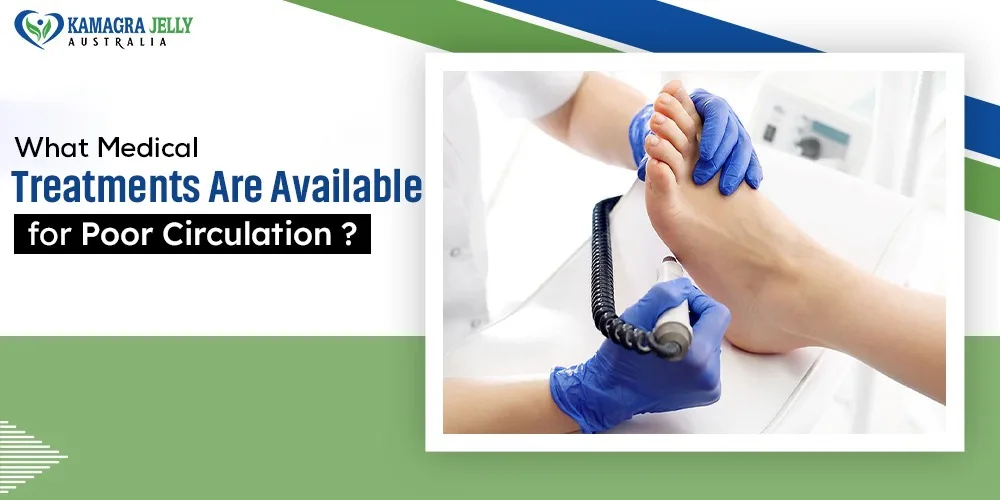
Medical treatment depends on the underlying problem. A doctor may recommend medicines to manage blood pressure, cholesterol, diabetes, or other conditions affecting blood vessels. In some cases, procedures may be needed to open narrowed arteries or restore blood flow. The appropriate treatment for poor blood circulation should always be based on a professional assessment rather than self-medication.
Circulation problems can also be associated with erectile dysfunction. Understanding erectile dysfunction and blood flow is important because an erection depends on adequate blood reaching the penis. Learning how blood flow affects erectile function may help people understand why certain cardiovascular conditions can contribute to erection difficulties.
Doctors may prescribe sildenafil for some people with erectile dysfunction. Understanding how sildenafil works in erectile dysfunction can clarify that it helps increase blood flow to the penis during sexual stimulation; it does not treat circulation problems throughout the body.
Changes associated with poor blood circulation skin, such as unusual discoloration or wounds that heal slowly, should be assessed by a healthcare professional. Likewise, symptoms of poor blood circulation to the brain, including sudden confusion, weakness, or difficulty speaking, may indicate a stroke and require emergency care. Recognizing when poor blood circulation dangerous signs appear can help people seek timely treatment.
Conclusion
Poor blood circulation can often be managed with the right treatment and healthy daily habits. Recognizing symptoms early and consulting a healthcare professional can help protect your circulation and overall well-being.